Cava in Barcelona: A Local Guide to Catalonia’s Sparkling Wine
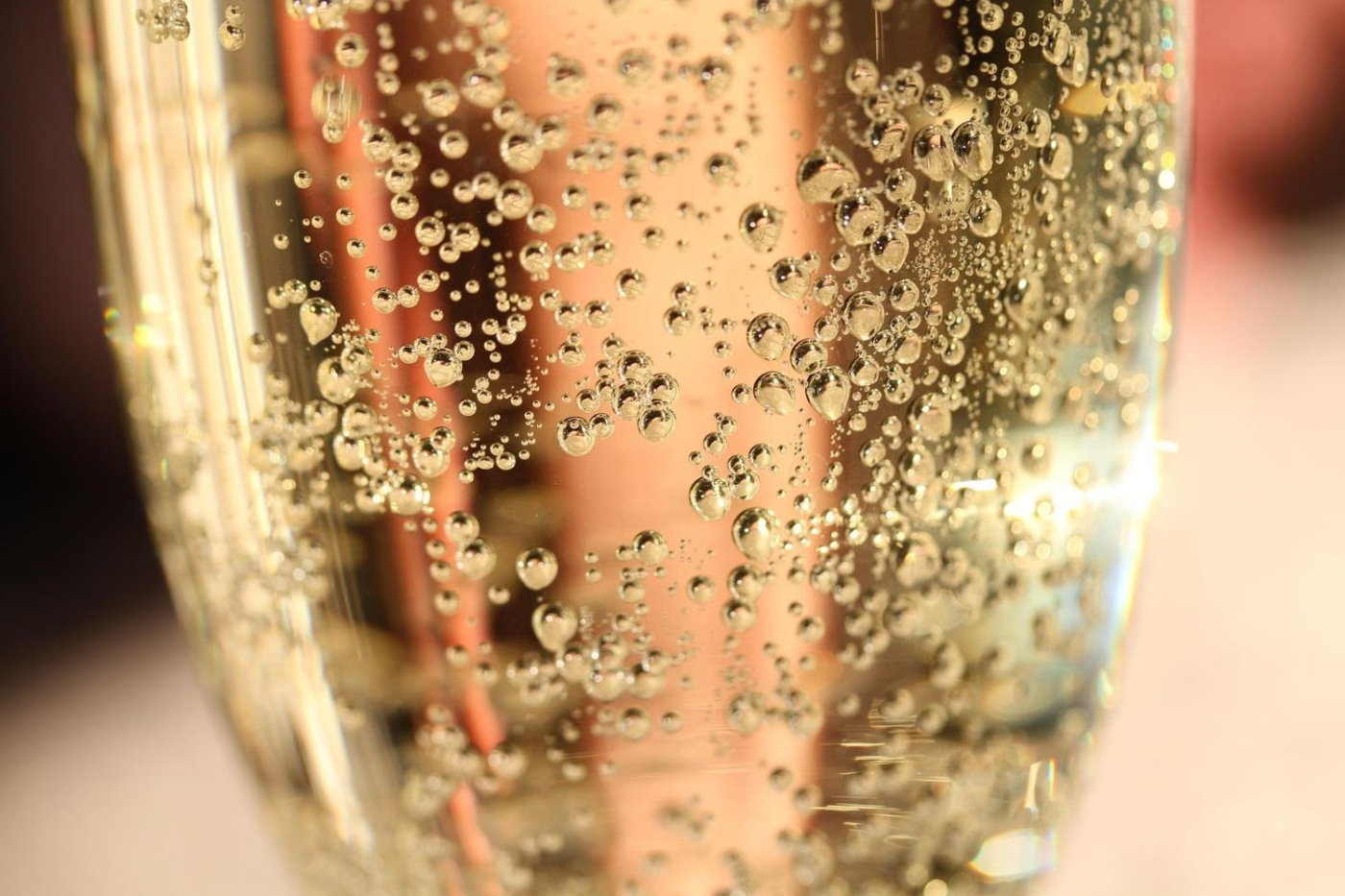
In Barcelona, cava stands out from other drinks. It’s a sparkling wine made using the traditional method, also known as Méthode Classique or Méthode Champenoise, that’s part of the city’s social fabric.
What Is Cava and Why It Matters in Barcelona
The cava production process is quite complex, beginning with fermenting grape juice made from macabeo, xarel·lo, and parellada grapes. Different base wines are blended together, followed by the addition of sugar and yeast.
The bottles are then left to rest on dead yeast cells, allowing sediment to accumulate, before being chilled and extracted. Finally, a mix of sugar and wine is added to find the right balance.
Cava is hugely popular across the city, as much of its production is centered in the region of Penedès in Catalonia. The climate here allows for year-round harvesting, and the soil conditions are ideal. And with Barcelona being under an hour’s drive away, a good glass of cava is never far when visiting.
Traditionally, cava was reserved for big celebrations and events. However, over the years, it’s become an everyday staple, consumed in luxury cava bars and trendy establishments, including a few that we stop at on our Barcelona food tours.
Cava shares many similarities with champagne, which is why it’s often called ‘the champagne of Spain.’ The big difference is that Spanish grapes are used to make it, providing refreshing citrusy flavors with moderate acidity.
If you want to try cava in Barcelona, this article is for you. We’re going to show you the best bars to sample some, how to drink it, what to pair with your order, and so much more. Let’s introduce you to the city’s cava scene!
When and How Locals Drink Cava
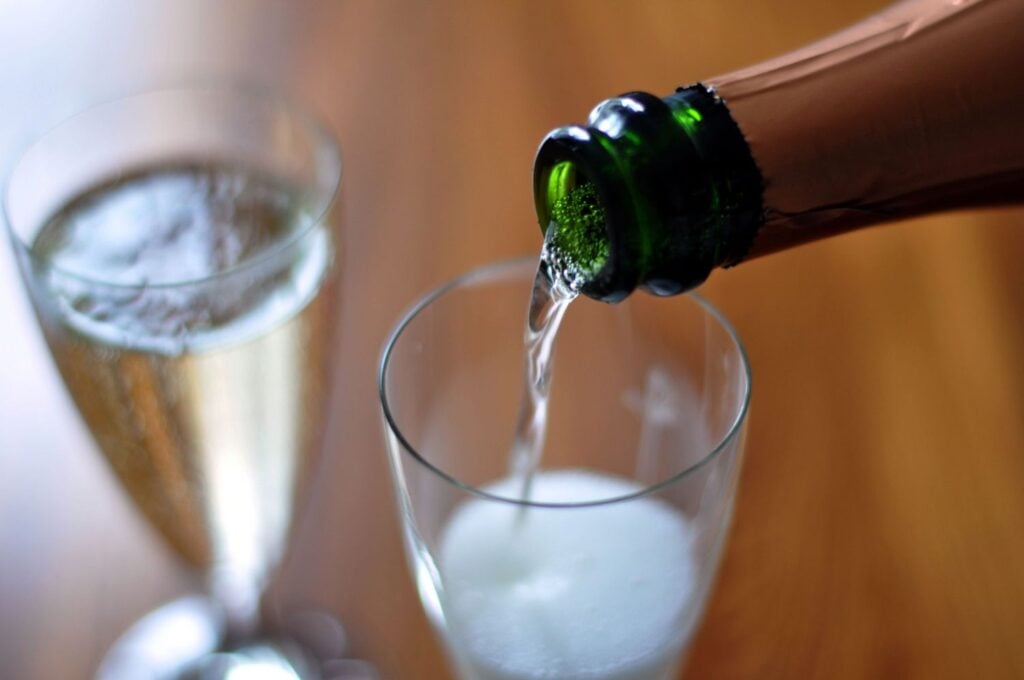
Photo credit: “File:Cava (4497385347).jpg” by cyclonebill from Copenhagen, Denmark is licensed under CC BY-SA 2.0 (no changes made)
There’s a distinct culture surrounding cava in Barcelona. It’s a way of life here, not like other beverages. Most people drink it as an aperitif alongside some tapas, or when they’re out having a big meal with friends and family.
The main times you’ll see people having a glass of cava are usually on weekends, at big celebrations, or at wine bars where locals come together for a relaxed, casual meetup.
Some would say cava can be ordered at any time of the day, though there’s a noticeable difference between daytime and nighttime consumption.
During the day, it’s often reserved for a relaxed pre-lunch sip, while at night it’s saved for special moments, like a toast. However, the huge increase in cava bars popping up around Barcelona has since changed the way people view it.
Although cava is still used for big occasions, the days of it being solely for that purpose are gone. There are a number of reasons for this. The first is that many affordable versions are now available, making it accessible to drinkers of all budgets, while premium brands are also easy to find.
Additionally, because the Penedès region is such a short distance from Barcelona, cava is easy to get. You won’t have to look hard to find it, as most bars across the city sell it.
The Best Neighbourhoods for Drinking Cava in Barcelona
There are a few neighborhoods in particular that are closely associated with cava. Visitors should start their cava exploration in El Born, celebrated for its historic atmosphere and brimming with wine-forward bars. Eixample is another fantastic area, offering a wealth of modern venues and relaxed sit-down spots.
For a more casual experience, be sure to visit Poble-sec and Sant Antoni, where cava and vermouth culture has a distinct local edge.
Some cava bars in Barcelona may accept walk-ins, while more popular ones usually require a reservation, so it’s best to do some research before showing up. If you’re just looking for a quick aperitif, you can usually stand at the bar alongside locals for a drink, while those planning to stay longer can enjoy table service at many establishments.
The price you’ll pay for a glass of cava will depend on the area you’re in. For instance, Eixample has many upscale venues, so expect to spend more here than if you were visiting more local parts of the city, such as Poble-sec or Sant Antoni.
Cava Bars and Wine Bars Worth Seeking Out
El Rincón del Cava
Planning to do some cava tasting in Barcelona? Look no further than El Rincón del Cava in El Poble-Sec, a casual bar with cool features like the walls of photographs and cheap cava by the glass, including rosé and Brut.
There’s a proper local feel to this place, and the staff are very friendly and can help you choose from their extensive line-up of cavas. Be sure to order a few tapas from the menu, like the earthy pimientos de Padrón, which taste delightful with some Spanish bubbles.
El Rincón del Cava – 08004 Barcelona – Open every Monday to Thursday from 7:30 am to 3:00 pm and 6:00 pm to 11:00 pm, Friday from 7:30 am to 3:00 pm and 6:00 pm to 12:00 am, Saturday from 8:00 am to 12:00 pm and 6:00 pm to 12:00 am, and closed every Sunday
El Xampanyet
For local cava in Barcelona’s Ciutat Vella district, El Xampanyet is a trusted favorite of ours that often has queues of people coming to sample their house specialty.
A true neighborhood favorite, El Xampanyet has a warm, homely vibe and always draws a good crowd. If you’re feeling peckish, give the creamy Spanish omelette with spicy chorizo a shot. There’s no better dish to enjoy with a crisp glass!
El Xampanyet – 08003 Barcelona – Open every Monday from 7:00 pm to 11:00 pm, Tuesday, Thursday, and Friday from 12:00 pm to 3:30 pm and 7:00 pm to 11:00 pm, Saturday from 12:00 pm to 3:30 pm, and closed every Wednesday and Sunday
Can Paixano
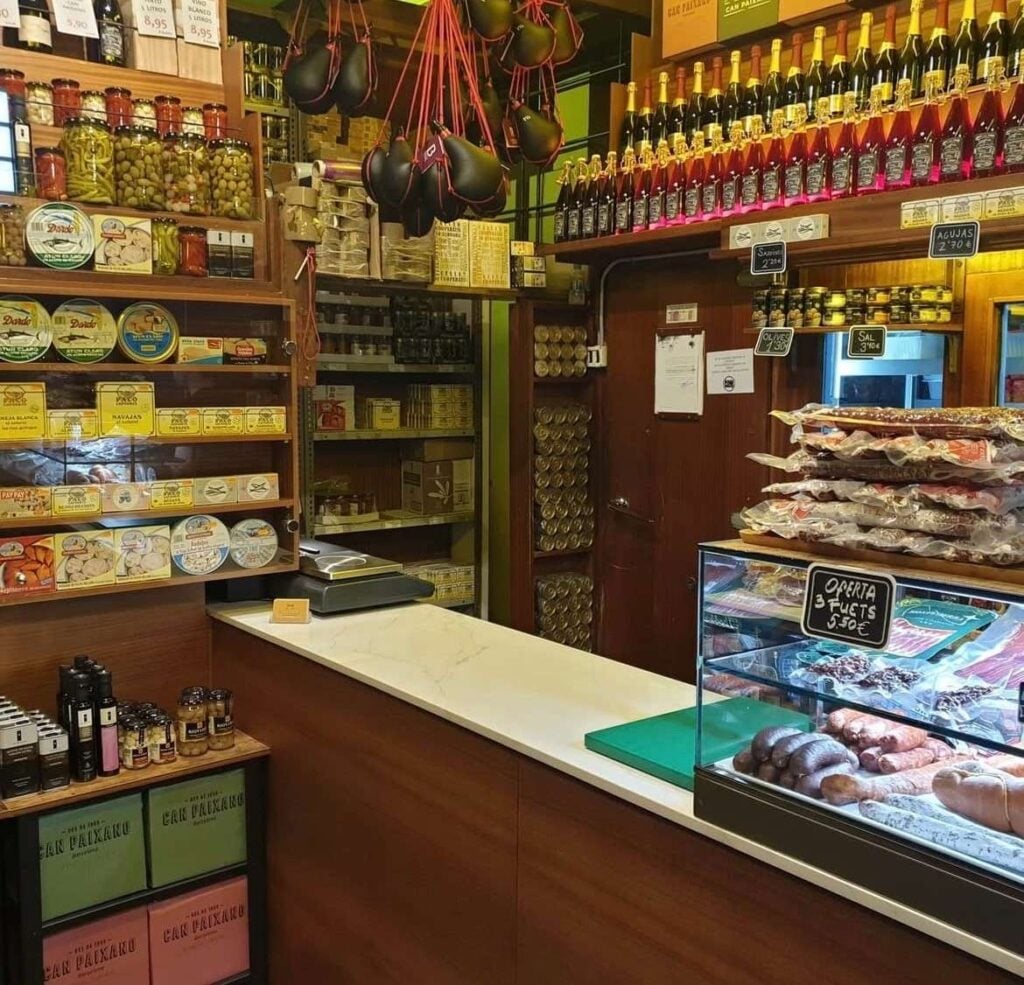
Photo credit: Can Paixano
As one of the most famous cava bars in Barcelona, Can Paixano certainly lives up to the hype. Wedged between La Barceloneta and El Born, it gives off the feel of a local tavern, with customers standing side by side, sipping their drinks.
What really sets this place apart is that they sell their own branded cavas, with the bright, sweet Rosat Can Paixano being a popular choice among regulars.
Can Paixano – 08003 Barcelona – Closed every Sunday and Monday, and open every Tuesday to Saturday from 12:00 pm to 10:00 pm
La Vinya del Senyor
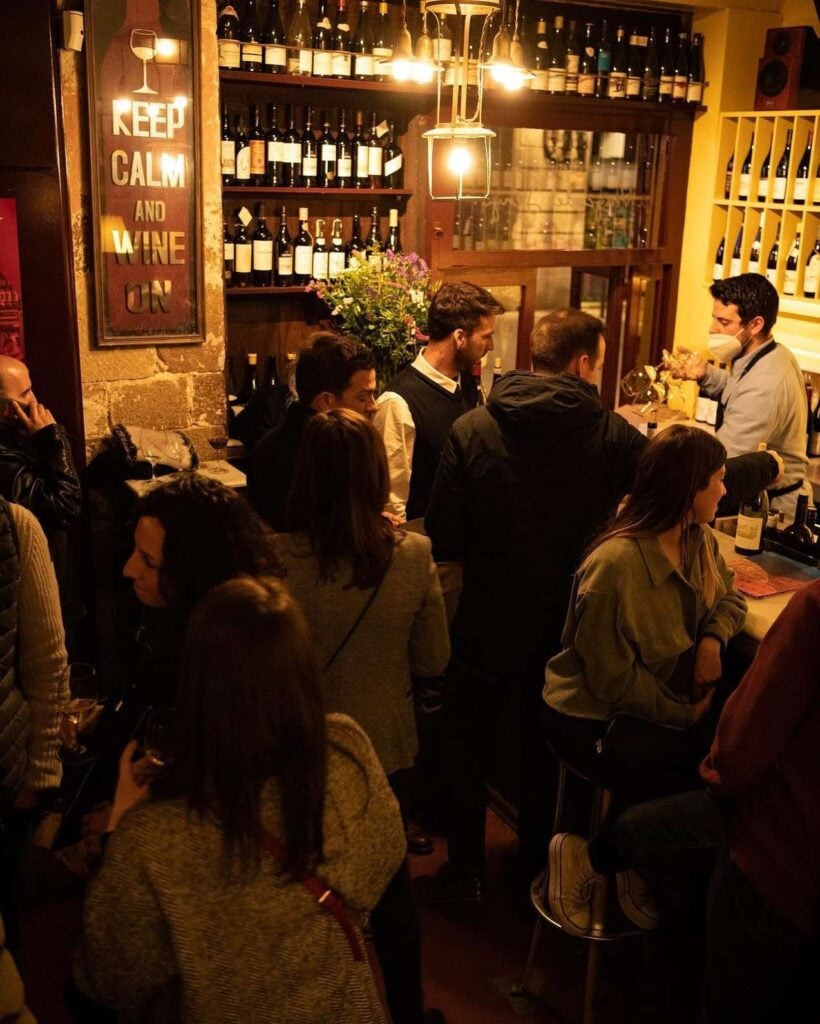
Photo credit: La Vinya del Senyor
Should you find yourself in the El Born neighborhood, you can’t leave without visiting La Vinya del Senyor to try something from their huge cava menu. You’ll find a wide range of cavas here, including Gran Reserva Brut Nature and Rosé Brut Nature options.
La Vinya del Senyor is a quintessential hole-in-the-wall style bar, with cozy interiors that give the place a unique character. While seating is available inside and out, try to grab a table at the outdoor patio, as you’ll have beautiful views of the Basílica de Santa Maria del Mar.
La Vinya del Senyor – 08003 Barcelona – Open every Sunday to Thursday from 12:00 pm to 12:00 am and every Friday and Saturday from 12:00 pm to 1:00 am
Understanding Cava Styles: Brut, Nature, Rosé & Beyond
If you’re new to cava, you likely won’t know much about the different styles. The most common types you’ll see at the best cava bars in Barcelona include Brut, Brut Nature, and rosé cava.
Brut and Brut Nature are two dry styles of cava. Brut Nature is the driest of the two, as it only contains a small amount of residual sugar (RS). Brut, on the other hand, contains between 0 and 12 grams of sugar. Locals tend to prefer drier styles of cava, as they’re more refreshing and cleaner pairings with snacks like jamón ibérico.
Rosé cava is pink in color and has a fruity flavor profile that complements the brininess of seafood dishes without overpowering them, so it’s a suitable choice for plates like esqueixada de bacallà.
Young and aged cavas are two notable production styles. Young cavas are aged for at least nine months and are known for their zesty and floral notes. In comparison, aged cavas are aged for a minimum of 15 months and have a nuttier taste.
What to Eat with Cava in Barcelona
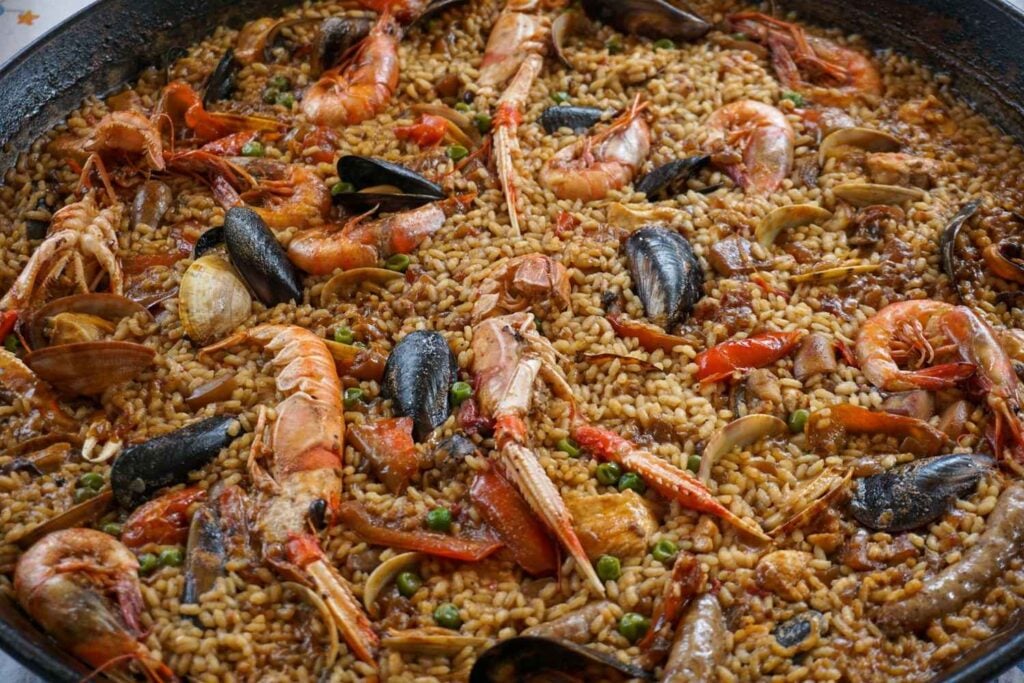
Cava is very much a food wine, consumed during meals built around shared plates, which is how people in Barcelona like to eat.
Classic tapas like salty anchovies, bitter olives, and crispy croquettes are the perfect match for cava’s bubbles. Seafood and rice dishes such as paella work well with cava, as it cuts through the oceanic character of these sorts of recipes.
When eating some simple Catalan plates like creamy cheeses and savory cured meats, cava does a great job of cleansing the palate between mouthfuls.
Exploring Barcelona’s Wine Culture Beyond the Glass
Catalonia is undoubtedly one of Europe’s most diverse wine regions, with cava as one of its main products. This Catalan sparkling wine holds an important place in Barcelona’s food and wine traditions. But it’s no longer limited to gatherings and events, as it’s now consumed daily in many bars and restaurants.
For an introduction to cava from a local perspective, you should join one of Barcelona Taste’s tours. Our knowledgeable local guides will show you how to drink cava properly and truly appreciate every sip, rather than treating it like just another bar order.
We’ll give you an inside look at the local producers who sell the best cava in Barcelona for a more authentic drinking experience.
Sources:
The Barcelona Taste. (n.d.). Barcelona food tours. Retrieved January 29, 2026, from https://thebarcelonataste.com/barcelona-food-tours/
El Rincon del Cava. (n.d.). El Rincon DEL CAVA [Facebook page]. Retrieved January 29, 2026, from https://www.facebook.com/El-Rincon-DEL-CAVA-265360913605406/
El Xampanyet. (n.d.). El Xampanyet. Retrieved January 29, 2026, from http://elxampanyet.com/
La Vinya del Senyor. (n.d.). La Vinya del Senyor. Retrieved January 29, 2026, from http://www.lavinyadelsenyor.es/